

What happens inside the bean changes everything in the cup.
Roasting isn't just applying heat. It's a controlled biochemical transformation — one where temperature, time, and the bean's own composition interact to produce hundreds of aromatic compounds that didn't exist before. Understanding that process is what separates a roast that expresses a lot's full potential from one that simply makes it drinkable.
The bean loses moisture — up to 12% of its weight evaporates. No flavor compounds are created yet, but this phase determines how evenly the bean will develop. Too fast and the outside burns before the inside transforms. The Maillard reaction begins at the edge of this phase.
This is where flavor is built. The Maillard reaction — the same chemistry behind browned bread or seared meat — produces hundreds of aromatic molecules: furans, pyrazines, aldehydes. Sugars caramelize. Acids transform. The bean cracks audibly — what roasters call First Crack — signaling the start of light roast territory.
Past First Crack, sugars continue to break down and new compounds form — deeper caramels, heavier aromatic chains, lower acidity. A Second Crack marks the transition to dark roast. Beyond this point, the bean's origin character begins to recede and roast character dominates. The skill is knowing exactly when to stop.
Discovered by Louis-Camille Maillard in 1912, this reaction between amino acids and reducing sugars produces over 800 distinct aromatic compounds in coffee. It's responsible for the brown color, the complex nose, and much of what we recognize as "coffee smell." The specific compounds produced depend on the bean's genetics, its fermentation history, and the roast curve applied. No two origins produce the same Maillard profile — which is why origin specificity matters at the roast level, not just at the farm level.
Green coffee is rich in chlorogenic acids — antioxidant compounds that degrade during roasting into quinic and caffeic acids. Light roasts preserve more of these, contributing to the bright, complex acidity associated with Golden roasts. As roast level increases, these acids break down further, reducing perceived acidity and increasing body. Ecuador's altitude-grown beans naturally contain high concentrations of these acids — which is why they express exceptional brightness at light and medium roast levels.
Coffee contains over 1,000 volatile aromatic compounds — more than wine. These are grouped into families: furans (caramel, sweet), pyrazines (nutty, earthy, roasted), aldehydes (fruity, green), thiols (sulfurous, coffee-specific), and terpenes (floral, citrus). The roast profile determines which families dominate. Light roasts favor aldehydes and terpenes — explaining the floral and citrus notes. Dark roasts develop pyrazines — hence the roasted, chocolatey depth.
The processing method — honey, washed, or natural — directly affects how the bean roasts. Honey and natural processed beans retain more fruit sugars from the drying stage, which caramelize differently under heat than washed beans. This is why the Arara Amarillo lot, processed honey, develops its smooth chocolate finish at medium roast — the residual sugars from processing become caramel compounds during the Maillard reaction. Process and roast aren't separate decisions — they're a conversation.
Every roast decision we make starts with the lot — its variety, its process, its altitude. The science tells us what's possible. The cup tells us if we got it right.
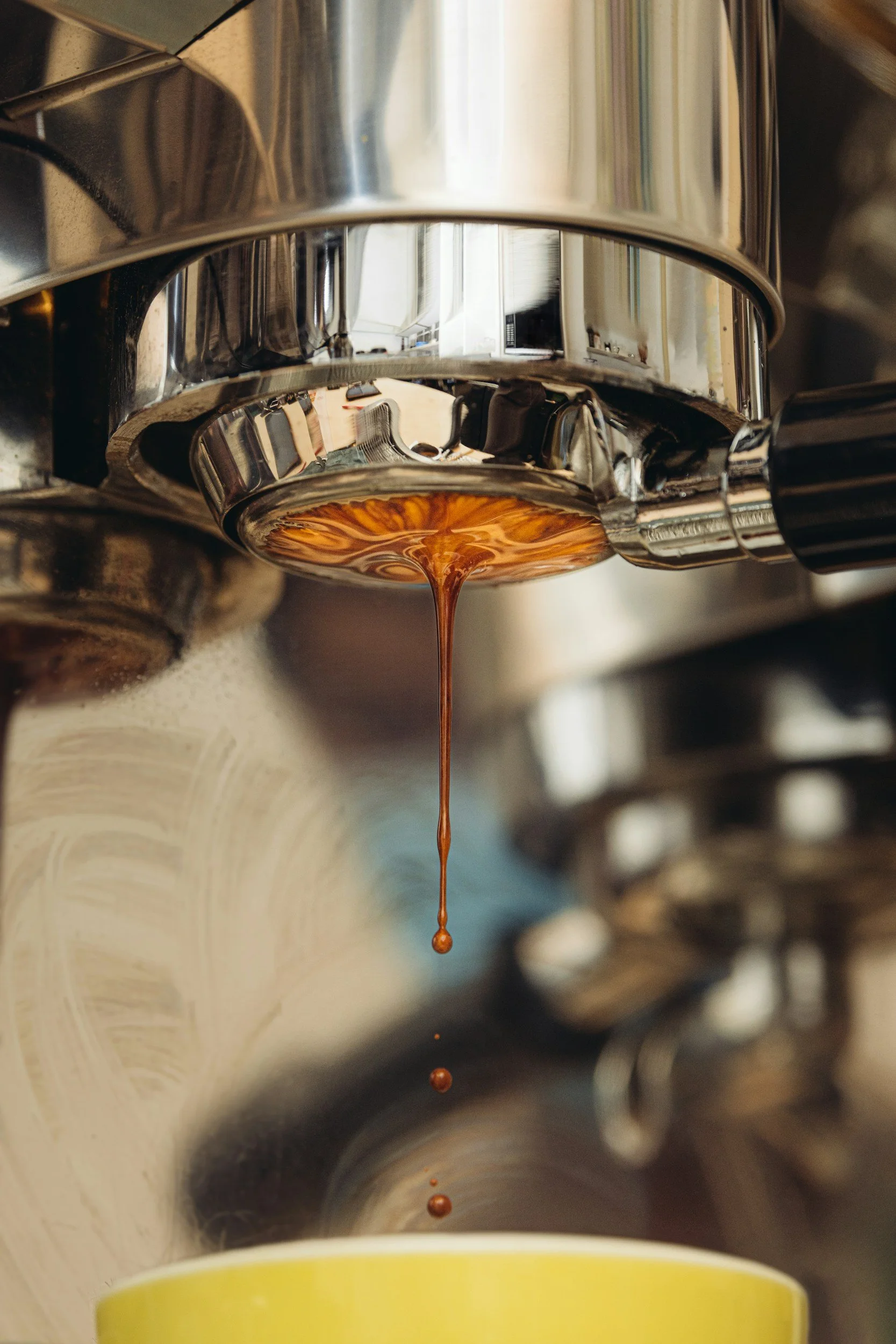
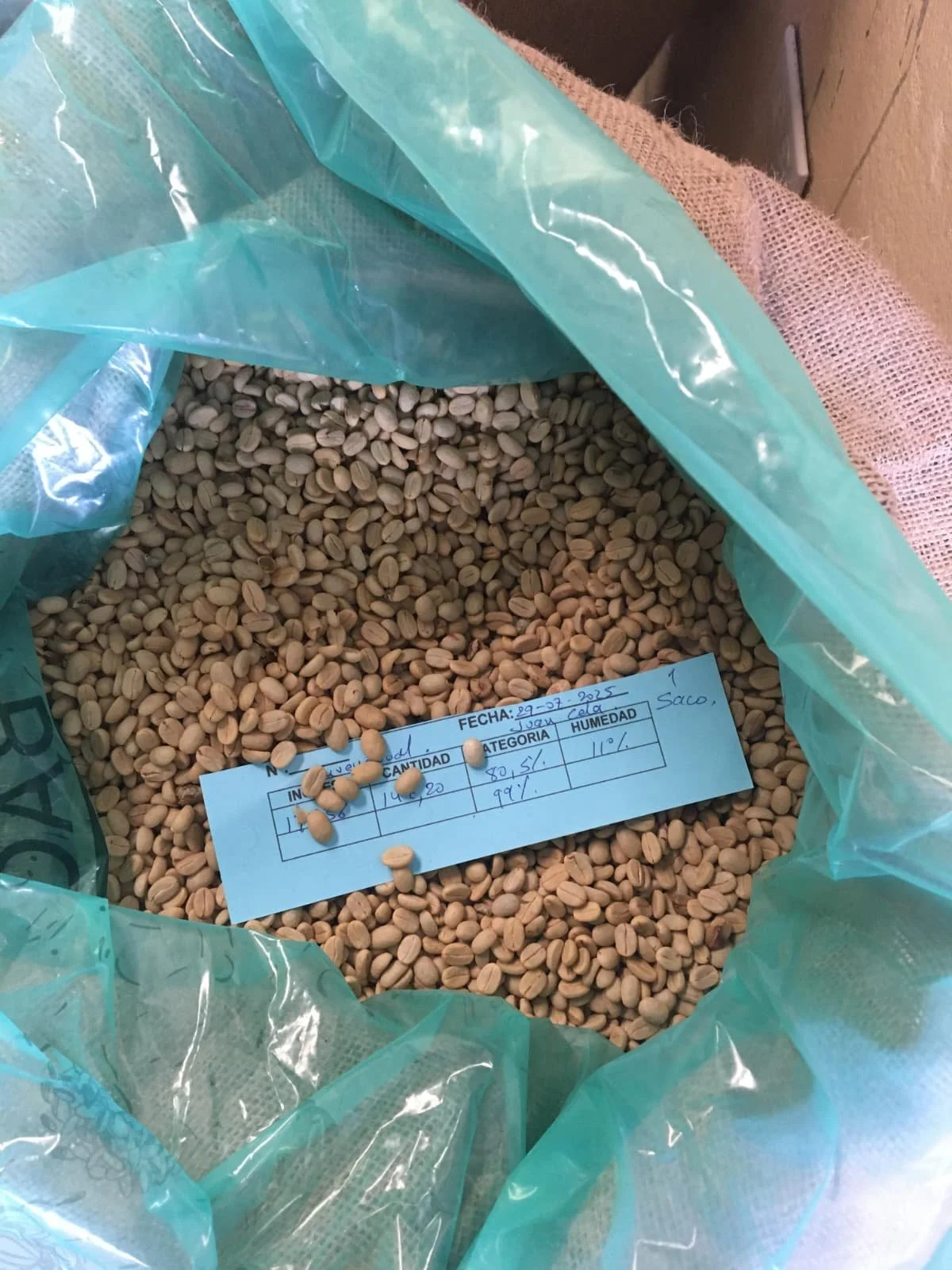
Grown in the equatorial lowlands of Manabí — one of the few specialty lots in the world produced at near sea level. Constant sun, coastal humidity, and the Arara Amarillo variety deliver a clean, vibrant cup with bright citrus acidity and a smooth chocolate finish.
Verified
Shade-grown under native trees in Manabí's coastal agroforestry systems. Two varieties working together — Castilla's chocolate depth and Akawa's tropical brightness — producing a fruit-forward, clean cup at sea-level plains near the Pacific coast.
Verified
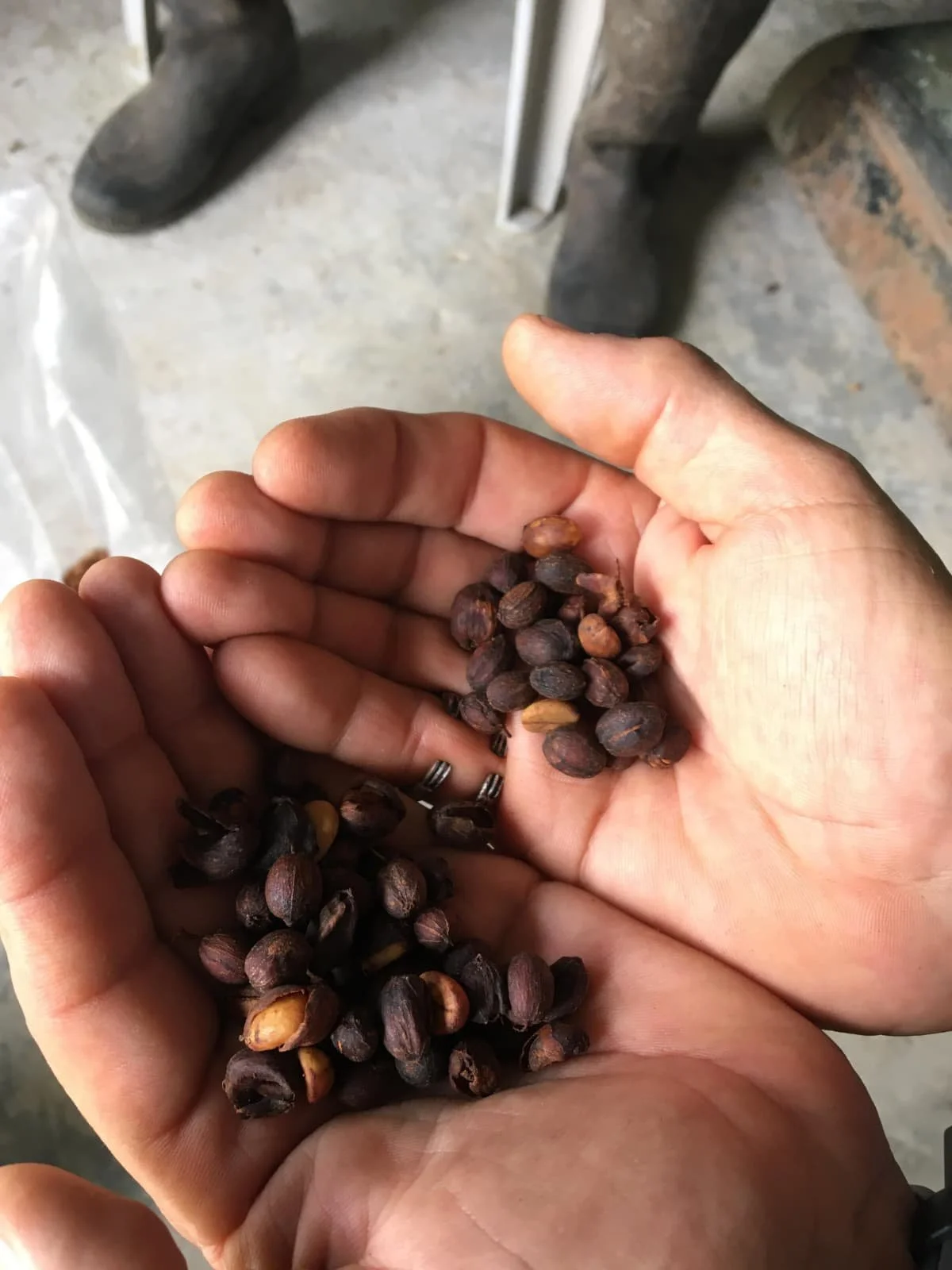
Grown between 3,900 and 6,900 feet in the Andean cloud forest of the Intag Valley. Cool temperatures and native forest canopy slow the cherry's development — producing balanced sweetness, creamy body, and layered complexity. The only certified organic lot in our current lineup.
Verified
Shop
Filters
No results found
No results match your search. Try removing a few filters.